How to Read Wine Labels
What You Can Learn From Wine Labels
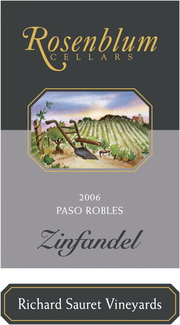
Wine labels tell you many things about the wine inside the bottle. Have you ever stood in the wine aisle staring at row and row of wine bottles wondering which wine you should buy? Most people will select a wine because they like the label. They are usually drawn to an interesting graphic or clever name on the label. Labels are important marketing tools, but there are also facts to be learned by actually reading the label.
Who? The label will always tell the name of the winery that made the wine. Wineries often add a proprietary name to the wine. This is usually a marketing tool to encourage interest in the wine.
After learning about wine labels, click on these links to learn about other basic wine information:
How to Taste Wine | Health Benefits |Wine Picks
Wine Clubs|Recipes|California Wine Events
What? The label will state what type of wine is in the bottle. If it is labeled as a specific type of wine, such as Cabernet Sauvignon, this means that at least 75% of the wine was produced from Cabernet grapes. Blending juice from other types of grapes is a common practice and often will improve the flavor and aroma of the wine.
When? Vintage is the term used to refer to the year in which the grapes were grown. In the United States wineries are allowed to blend in wine from other years. However, 85% of the volume must be from the year on the label. Not all wines are bottled as vintage wines. If you don’t see a year on the label, it is not a vintage wine. Vintage becomes important when wine from a particular year is known to be of better quality than wine from other years. Vintage is also important in aging wines.
Where? When a label states that a wine is made from California grown grapes, 100% of the grapes used to produce that wine must be from California. Other states are not as strict and usually require that 75% of the grapes come from a particular state.
Sometimes labels will specify which officially designated viticultural area a wine came from; usually this is a region such as Napa Valley that is noted for high quality wines. When this occurs, it means that 85% or more of the grapes must have been grown in that area.
Some vineyards have become known for producing wine of a superior quality. The winery will want to mention the vineyard on the label. Vineyard specific wines like these need to use 95% or more of the grapes from that particular vineyard.
There are wineries that specialize in “estate bottled” wines. Usually this would be included on the label. Estate bottled means that all of the grapes were grown by the winery and that all of the wine making processes were also under the winery’s control.
The next time you are shopping for a bottle of wine, take a closer look at the wine label. You will find that wine labels can be quite informative.
 Pairing Food & Wine
 Recipes - Cooking with Wine
 Upcoming Wine Events
 How to Taste Wine
 Top Wine Picks
 How to Read Wine Labels
 Is Wine Good for You?
 Wine Clubs
New! Comments
Have your say about what you just read! Leave me a comment in the box below.